


Tags:
traveller, 09.04.2026 (6 months ago)
 Probably you watched the famous movie “Parasite” (2019). The film’s unsettling basement home isn’t just a cinematic invention — it’s rooted in real Korean urban architecture. And yes, it was filmed in Seoul, South Korea. What many people don’t realize is that these semi-basement apartments actually exist all over the city. Even more surprising: we accidentally rented one of these “Parasite-style” units right in the most expensive district of Seoul — Gangnam.
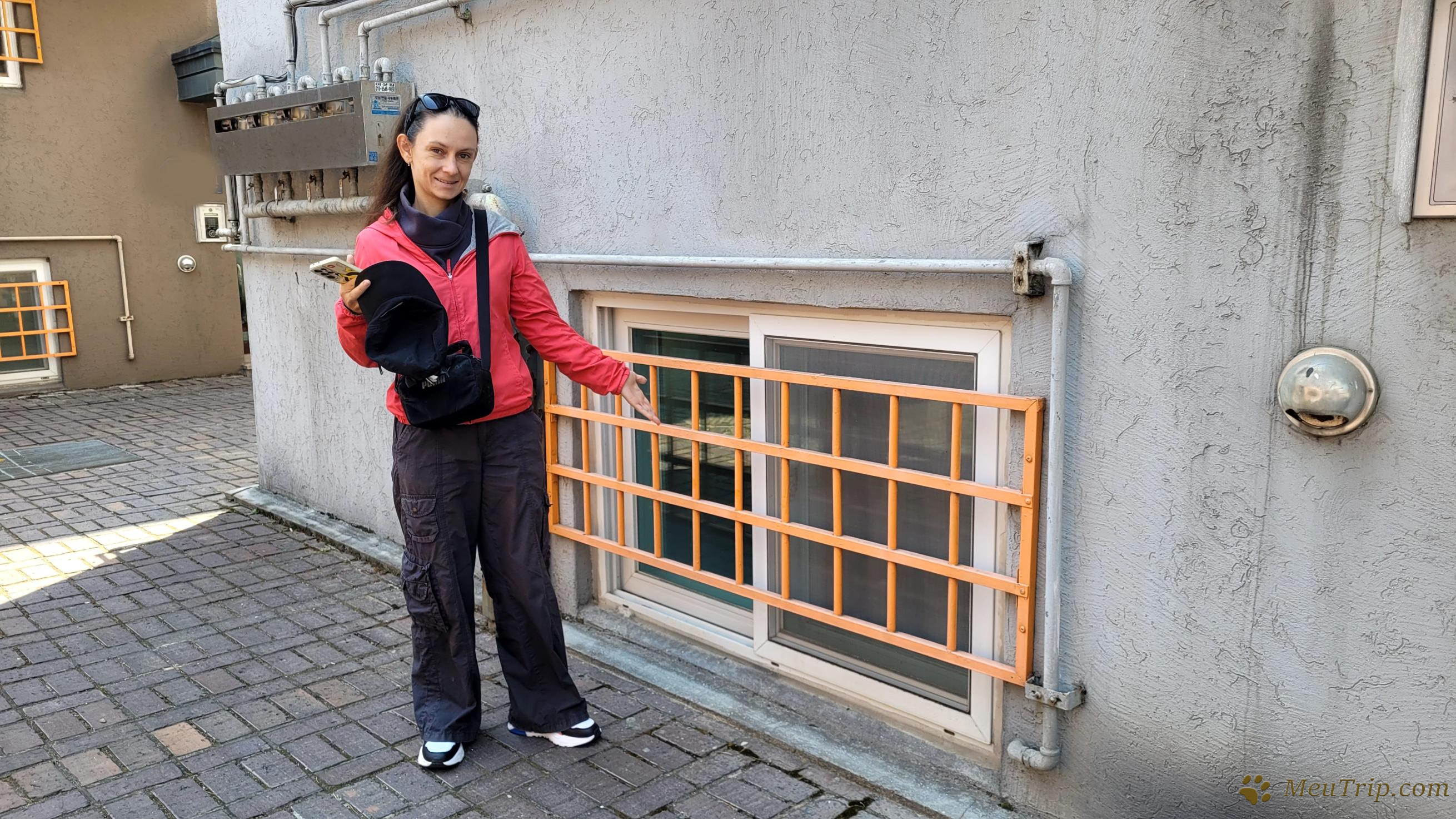 These apartments are called banjiha (반지하), literally meaning “half underground.” They became globally known after Parasite won the Oscar, but their history goes back decades. Originally, banjiha were built as emergency bunkers during the tense years of conflict with North Korea. Over time, as Seoul’s population exploded and housing prices skyrocketed, these bunkers slowly transformed into low-cost living spaces for students, workers, and families who couldn’t afford anything else.
After the movie’s release, international media rushed to cover the phenomenon. Many articles explored how closely the film reflected reality — for example, this BBC piece: BBC: Parasite shines light on South Korea's basement homes
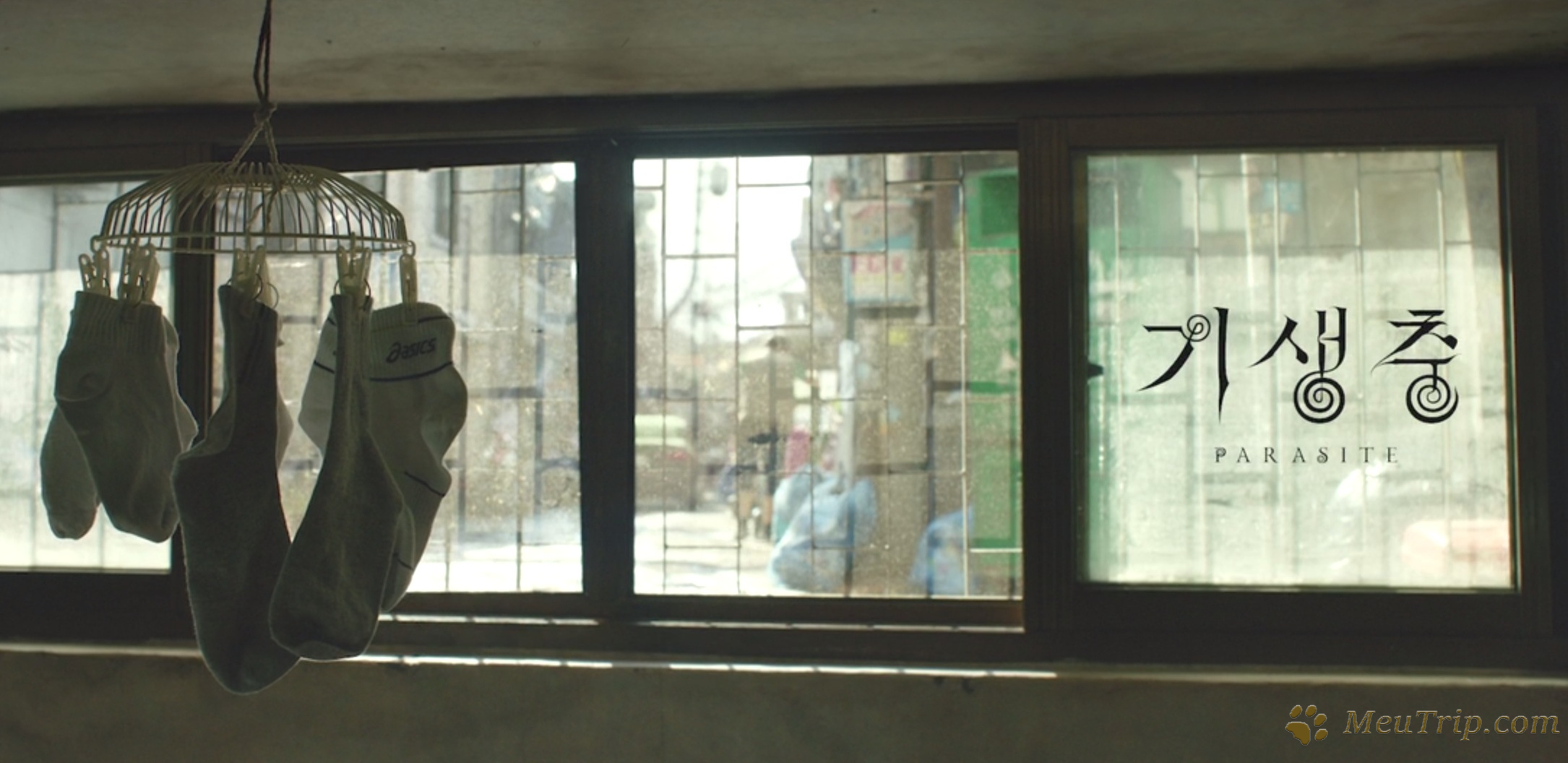
And CNN even mapped out the filming locations across Seoul: CNN: Parasite filming locations in Seoul
What’s fascinating is that despite their reputation, banjiha apartments are not always located in poor neighborhoods. Ours was in Gangnam, one of the wealthiest districts in the entire country. Imagine stepping outside your humble semi-basement and immediately seeing luxury boutiques, high-end cafés, and futuristic skyscrapers. That contrast alone felt like something straight out of a movie.
Living in a banjiha gives you a very different perspective on Seoul. You hear the footsteps of people walking right above your window. Rainstorms become dramatic events — especially after the tragic 2022 floods, which reignited national debate about whether these apartments should continue to exist. The government even announced plans to phase them out in the future.
Another interesting detail: after Parasite became a global sensation, real estate listings in Seoul started adding “NOT a banjiha” as a selling point. Some landlords even tried to rebrand semi-basements as “garden-level apartments,” hoping to make them sound more appealing to foreigners.
If you’re curious to explore more, here are a few additional reads:
New York Times: Seoul’s deadly floods and the future of basement homes
Korea Times: Life inside Seoul’s banjiha
JoongAng Daily: Why banjiha still exist
So yes — the world of Parasite is very real. And for us, it became unexpectedly personal. Renting a banjiha in Gangnam wasn’t just a quirky travel story; it was a glimpse into a hidden layer of Seoul that most tourists never see. It’s one thing to watch it on screen — it’s another to live it.
If you interested, we made a short movie about living in such appartments. 14$ per day, in Gangnam gu - that's fantastic price (thanks to that film!):